4154 Rowan Rd, New Port Richey FL 34653
jana@itmattersinsurance.com
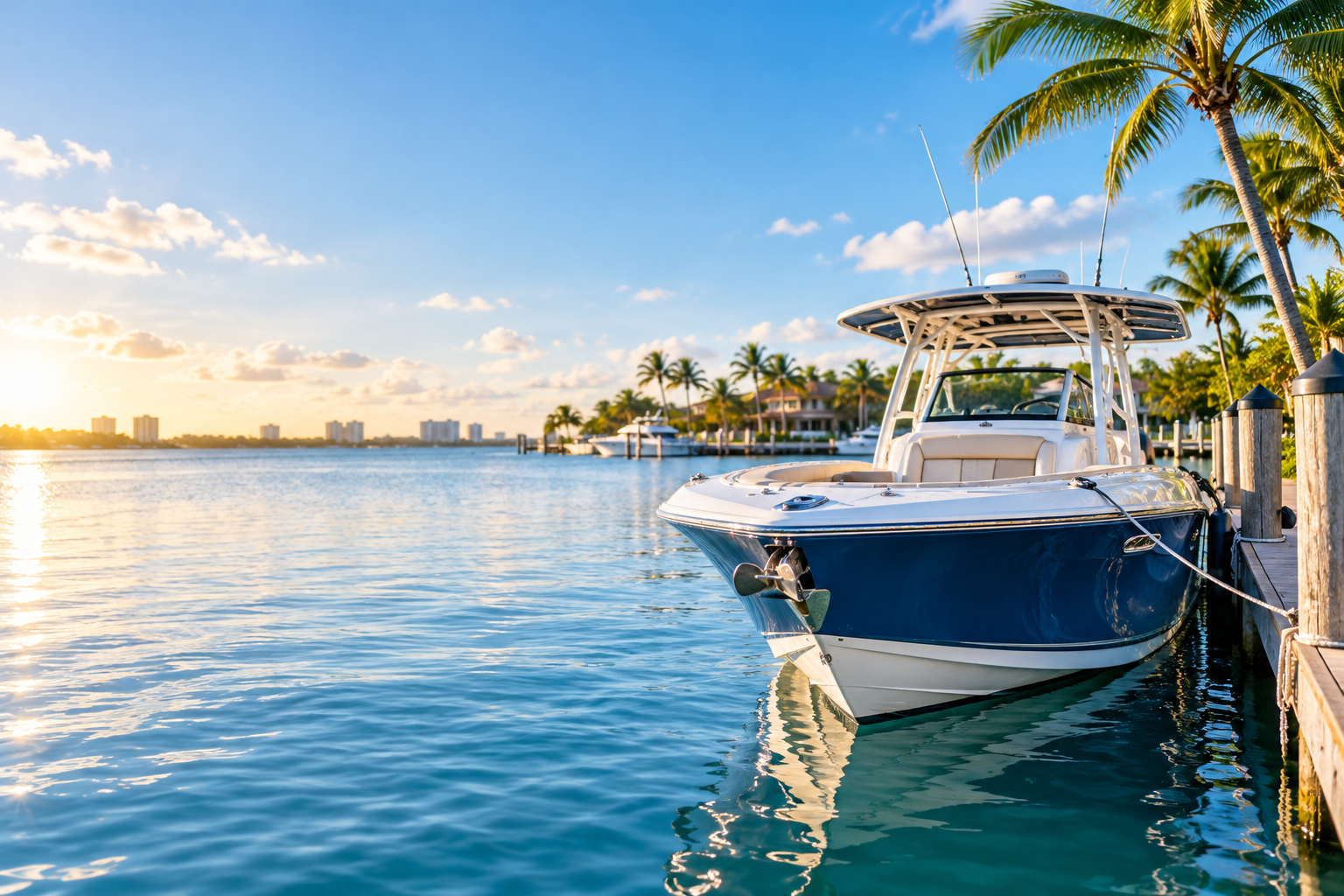
Florida offers beautiful waterways and countless opportunities to enjoy life on the water. At It Matters Insurance, Inc., we help boat owners explore insurance options designed to protect their vessels, passengers, and financial security.
Whether you own a fishing boat, pontoon, sailboat, personal watercraft, or recreational powerboat, having appropriate insurance can help protect against covered accidents, theft, physical damage, and liability claims.
Boat insurance options may include protection for your vessel, equipment, liability, towing assistance, and certain storm-related risks. Coverage depends on the type of watercraft, how it is used, and the insurance policy.
Whether you’re purchasing your first boat or reviewing your existing coverage, we’re here to help you explore protection that fits your needs and budget.
The right boat insurance coverage matters. We’re here to help you understand your options and make informed decisions with confidence.
What Does Boat Insurance Cover?
Boat insurance helps protect your watercraft and financial security against covered accidents, damage, theft, and liability claims. Depending on your policy, coverage may include physical damage to your boat, liability for injuries or property damage to others, medical payments, uninsured boater protection, and towing assistance.
Every boat and boating experience is different. Coverage options may vary based on the type, size, value, and use of your watercraft, as well as where it is operated and stored.
At It Matters Insurance, Inc., we help Florida boat owners explore available insurance options, understand coverage limits, deductibles, hurricane requirements, and exclusions, and find protection that fits their needs and budget.
Florida generally does not require recreational boat owners to carry boat insurance. However, insurance may still be required by your lender, marina, or storage facility.
When might boat insurance be required?
Why consider boat insurance even when it isn’t required?
Boat insurance may help protect you financially against covered accidents, injuries, property damage, theft, and certain storm-related losses.
Important for Florida boat owners:
At It Matters Insurance, Inc., we can help you explore available boat insurance options based on your vessel and boating activities.
Boat insurance can help protect your vessel, passengers, and finances against certain accidents, damage, and liability claims. The coverage available depends on your watercraft, insurer, and policy.
1. Boat Liability Coverage
May help cover bodily injury or property damage to others if you’re legally responsible for a covered boating accident.
2. Physical Damage Coverage
May help pay to repair or replace your insured boat after covered events such as collisions, fire, theft, or certain storm damage.
3. Medical Payments Coverage
May help pay eligible medical expenses for you or your passengers following a covered boating accident, regardless of fault, subject to policy conditions.
4. Uninsured or Underinsured Boater Coverage
May provide protection for eligible injuries caused by a boater who has no insurance or insufficient liability coverage.
5. Towing and Emergency Assistance
Optional coverage may help with certain on-water towing, emergency assistance, or related expenses.
6. Equipment and Accessories
Depending on the policy, coverage may be available for eligible boat equipment, permanently attached accessories, and certain fishing gear.
Important for Florida boat owners:
Hurricane deductibles, named-storm restrictions, navigation limits, and storm preparation requirements may apply. Some policies exclude certain uses, such as commercial operations, racing, or renting your boat to others.
Always review your policy’s coverage limits, deductibles, exclusions, and endorsements.
At It Matters Insurance, Inc., we help Florida boat owners explore available coverage options based on their vessel and boating needs.
Homeowners insurance may provide limited coverage for certain small boats and watercraft, but it generally does not offer the same protection as a dedicated boat insurance policy.
What might homeowners insurance cover?
Depending on the policy, limited coverage may be available for:
What are common limitations?
Example:
Suppose you own a recreational powerboat worth $30,000. Your homeowners policy may provide little or no coverage for damage to the boat or liability arising from its operation.
A dedicated boat insurance policy may offer more appropriate protection for the vessel and covered boating risks.
Important for Florida boat owners:
Do not assume your homeowners insurance covers your boat simply because you store it at home. Coverage depends on the policy’s terms, limits, and exclusions.
At It Matters Insurance, Inc., we can help you explore boat insurance options that fit your vessel, boating activities, and budget.
Boat insurance may cover hurricane and named-storm damage, but protection depends on your policy, insurer, and the coverage you purchase.
What hurricane-related damage may be covered?
If your policy includes applicable physical damage coverage, it may help pay for:
What is a named-storm deductible?
Some boat insurance policies have a separate deductible for damage caused by hurricanes or named storms.
For example, if your boat has an insured value of $50,000 and a 5% named-storm deductible, your deductible would be $2,500.
The actual deductible and how it is calculated depend on your policy.
What is a hurricane preparation plan?
Some insurers require boat owners to take specific precautions when a storm approaches. These may include:
Important for Florida boat owners:
At It Matters Insurance, Inc., we can help you review available boat insurance options and understand hurricane-related coverage and policy conditions.
Boat insurance policies may use different methods to determine how much an insurer pays if your boat is damaged or declared a total loss.
Agreed Value Coverage
With agreed value coverage, you and the insurer agree on an insured value for your boat when the policy begins.
If your boat is a covered total loss, the policy may pay the agreed value, subject to its terms, deductible, and any applicable adjustments.
Actual Cash Value (ACV) Coverage
Actual cash value coverage generally considers depreciation and the boat’s value at the time of the loss.
An older boat may receive a lower claim payment because of its age, condition, and depreciation.
Example:
Suppose you purchased a boat for $40,000 several years ago.
These examples are before applicable deductibles or other policy adjustments.
How do boat insurance deductibles work?
A deductible is the amount you are responsible for after a covered loss.
For example, if your boat experiences $10,000 in covered damage and your deductible is $1,000, your insurer may pay $9,000.
Some policies also have separate hurricane or named-storm deductibles.
Important things to know:
At It Matters Insurance, Inc., we can help you compare boat insurance valuation options and understand how deductibles may affect your claim payments.
Boat insurance may provide coverage for injuries involving passengers, other boaters, or people involved in a covered boating accident. The protection available depends on your policy and selected coverages.
1. Bodily Injury Liability
May help cover eligible medical expenses, legal defense costs, and settlements if you’re legally responsible for injuries to another person in a covered boating accident.
2. Medical Payments Coverage
May help pay certain medical expenses for you or your passengers after a covered boating accident, regardless of fault, subject to policy terms.
3. Uninsured or Underinsured Boater Coverage
May help protect eligible insured individuals who are injured by another boater who has no insurance or insufficient liability coverage.
4. Guest Passenger Coverage
Some policies offer specific protection for guest passengers. Coverage and eligibility vary by insurer.
Example:
You’re operating your boat when an accident occurs, injuring a passenger.
Medical payments coverage may help with eligible medical expenses. Liability coverage may also apply if you’re legally responsible for the injury.
Important for Florida boat owners:
At It Matters Insurance, Inc., we can help you explore available coverage options to protect yourself, your passengers, and others while enjoying Florida’s waterways.
Boat insurance may offer towing and emergency assistance coverage to help when your vessel becomes disabled on the water. This protection is often optional, and the services available depend on your insurer and policy.
What may towing and emergency assistance include?
Example:
You’re enjoying a day on the Gulf Coast when your boat’s engine stops working several miles from the marina.
If your policy includes appropriate towing coverage, it may help pay eligible towing expenses up to your coverage limit.
What about boat salvage?
Salvage involves recovering a vessel that is damaged, stranded, sunk, or in danger. Salvage coverage may be treated differently from routine towing assistance.
Important for Florida boat owners:
At It Matters Insurance, Inc., we can help you explore available towing and emergency assistance options for your boat.
Boat insurance may cover certain trailers, fishing equipment, and personal belongings, but these items are not automatically included in every policy.
1. Boat Trailer Coverage
Some boat insurance policies include trailer coverage or allow you to add it separately.
Depending on the policy, this may help pay for covered theft, collision, or physical damage to an insured trailer.
2. Fishing Equipment
Optional fishing equipment coverage may help protect eligible items such as:
3. Personal Belongings
Some policies provide limited coverage or optional protection for personal items carried aboard your boat, such as clothing, cameras, and other eligible belongings.
4. Permanently Attached Equipment
Certain equipment permanently installed on your boat may be included under its physical damage coverage, subject to policy terms and limits.
Example:
Someone steals fishing rods and marine electronics from your boat while it is parked at a marina.
If your policy includes applicable fishing equipment or personal property coverage, it may help reimburse eligible losses, subject to your deductible and coverage limits.
Important for Florida boat owners:
At It Matters Insurance, Inc., we can help you explore available coverage for your boat, trailer, equipment, and belongings.
Boat insurance policies may have navigation limits that specify where your vessel can be operated while remaining eligible for coverage.
What are navigation limits?
Navigation limits define the geographic areas or waterways where your boat is insured to operate.
Depending on your policy, these may include:
Example:
Your policy may cover your boat while operating within 50 nautical miles of the Florida coastline.
If you travel beyond that limit without appropriate coverage, a loss could fall outside your policy’s permitted navigation area.
What if I want to take my boat to the Bahamas?
Contact your insurance agent before traveling. You may need an endorsement or a policy that specifically permits international navigation.
Other restrictions to consider:
Important: Navigation limits vary by insurer, watercraft type, policy, and underwriting requirements. Do not assume your boat is covered everywhere you travel.
At It Matters Insurance, Inc., we can help you review available navigation areas and coverage options based on how and where you enjoy boating.
If another boater causes an accident and does not have liability insurance, you may be responsible for certain expenses unless you have applicable insurance protection.
What is uninsured boater coverage?
Uninsured boater coverage may help pay eligible expenses for bodily injuries suffered by covered individuals when an uninsured boater is legally responsible for an accident.
Depending on the policy, it may help cover:
Example:
Another boat collides with your vessel, injuring you and a passenger. The other operator is at fault but has no boat liability insurance.
If your policy includes uninsured boater coverage, it may help compensate eligible injured individuals, subject to coverage conditions and limits.
What about damage to my boat?
Uninsured boater coverage generally focuses on bodily injuries rather than physical damage to your vessel.
Applicable boat physical damage coverage may help pay for covered damage to your boat, subject to your deductible and policy conditions.
Important for Florida boat owners:
At It Matters Insurance, Inc., we can help you explore available uninsured boater and medical payments coverage options for your boating needs.
If your boat is involved in an accident, damaged by a hurricane, or affected by another unexpected event, taking the right steps can help protect everyone involved and support your insurance claim.
1. Make Safety Your First Priority
Check for injuries and make sure passengers are safe. Contact emergency services or the U.S. Coast Guard when necessary. Do not put yourself at risk to recover a damaged vessel.
2. Follow Accident Reporting Requirements
Florida law requires certain boating accidents to be reported to the appropriate authorities. Reportable incidents can include accidents involving death, disappearance, qualifying injuries, or property damage exceeding the applicable reporting threshold.
3. Document the Damage
Take photographs and videos of the boat, equipment, and surrounding conditions when safe. Record relevant information about other vessels, operators, and witnesses.
4. Contact Your Insurance Company Promptly
Report the accident or damage using your insurer’s claims phone number, website, or approved reporting method. Keep your claim number for reference.
5. Prevent Further Damage
When safe and practical, take reasonable steps to protect your boat from additional damage. Save receipts for emergency towing, storage, or temporary repairs.
6. Review Your Policy
Check your physical damage coverage, liability limits, deductibles, navigation restrictions, and any hurricane or named-storm provisions.
7. Work With the Insurance Adjuster
Provide requested documentation and estimates. Review the claim decision and ask questions about any uncovered items or deductions.
Important for Florida boat owners:
At It Matters Insurance, Inc., we can help you understand your boat insurance coverage and locate the appropriate claims reporting resources.