4154 Rowan Rd, New Port Richey FL 34653
jana@itmattersinsurance.com
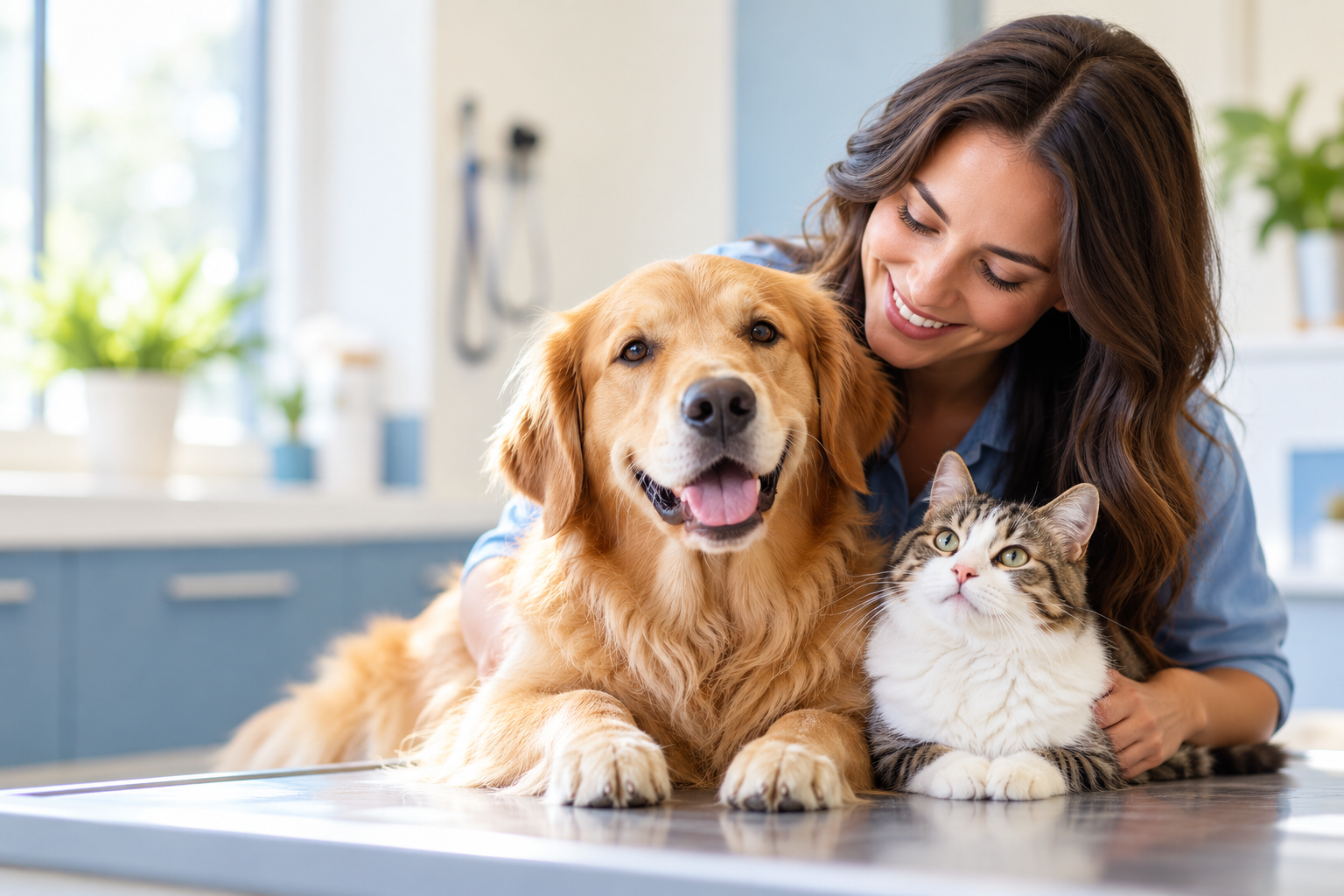
Our pets are more than just animals. They’re beloved members of our families who bring happiness, companionship, and unconditional love. At It Matters Insurance, Inc., we help Florida pet owners explore insurance options designed to support their pets’ health and well-being.
Whether you have a playful puppy, a curious kitten, or a cherished older pet, unexpected accidents and illnesses can lead to costly veterinary bills. Pet insurance may help reimburse eligible expenses for covered veterinary care.
Depending on the policy, coverage options may include accidents, illnesses, diagnostic testing, surgeries, prescription medications, and certain emergency treatments. Optional wellness plans may also be available for routine and preventive care.
Whether you’re welcoming a new pet into your family or reviewing coverage for your current companion, we’re here to help you explore options that fit your pet’s needs and your budget.
The right pet insurance coverage matters. We’re here to help you understand your options and make informed decisions with confidence.
What Does Pet Insurance Cover?
Pet insurance helps manage unexpected veterinary expenses when your dog or cat experiences a covered accident or illness. Depending on the policy, coverage may include emergency treatments, diagnostic tests, surgeries, hospitalization, prescription medications, and care for certain hereditary or chronic conditions.
Pet insurance policies vary in coverage, deductibles, reimbursement percentages, annual limits, waiting periods, and exclusions. Routine wellness care, such as vaccinations and preventive checkups, may be available through optional wellness plans.
At It Matters Insurance, Inc., we help Florida pet owners explore available coverage options and understand the protection that fits their pets’ needs and their budgets.
Pet insurance helps reimburse eligible veterinary expenses when your dog or cat experiences a covered accident or illness.
1. Accident Coverage
May include injuries such as broken bones, bite wounds, or accidentally swallowing foreign objects.
2. Illness Coverage
May include eligible treatments for infections, digestive problems, allergies, and certain chronic or hereditary conditions.
3. Veterinary Treatments
Depending on the policy, coverage may include diagnostic tests, surgery, hospitalization, emergency care, and prescription medications.
4. Optional Wellness Coverage
Routine checkups, vaccinations, and preventive care are generally not included in standard accident and illness plans. Optional wellness benefits may be available.
Important: Coverage depends on the insurer, policy limits, deductibles, reimbursement percentages, waiting periods, and exclusions.
At It Matters Insurance, Inc., we help Florida pet owners explore available coverage options for their furry companions.
Most pet insurance policies exclude pre-existing conditions. These are generally illnesses, injuries, or symptoms that existed before the policy began or during an applicable waiting period.
1. What Is a Pre-Existing Condition?
A pre-existing condition may include an illness or injury that showed symptoms or required treatment before your pet’s coverage became effective.
2. Curable Conditions
Some insurers may cover certain curable conditions after your pet has been symptom-free and treatment-free for a specified period.
3. Chronic or Incurable Conditions
Conditions such as certain chronic allergies or diabetes may remain excluded if they existed before coverage began.
4. Veterinary Medical Records
Insurance companies may review your pet’s veterinary records to determine whether a condition existed before coverage started.
Example:
If your dog had recurring ear infections before enrollment, future treatment for related infections may be excluded. Some insurers may reconsider eligibility if their requirements for curable conditions are met.
Important: A condition does not always need a formal diagnosis to be considered pre-existing. Definitions, exclusions, and eligibility rules vary by insurer.
At It Matters Insurance, Inc., we help Florida pet owners understand policy exclusions and explore available coverage options.
Pet insurance typically reimburses a percentage of eligible veterinary expenses after the applicable deductible has been met.
1. Deductible
A deductible is the amount you pay toward covered veterinary expenses before your insurance begins reimbursing eligible costs.
Some policies have an annual deductible, while others may have a deductible per condition.
2. Reimbursement Percentage
The reimbursement percentage determines how much of eligible veterinary expenses your insurer pays.
Common options include 70%, 80%, and 90%, depending on the insurer.
3. Annual Coverage Limit
An annual limit is the maximum amount your insurer will reimburse during a policy year. Some plans offer unlimited annual benefits, subject to policy terms.
Example:
Suppose your pet needs emergency veterinary treatment costing $2,000.
Your policy has:
After subtracting the $250 deductible, $1,750 remains eligible.
The insurer reimburses 80% of $1,750, which equals $1,400.
Your total out-of-pocket expense would be $600.
Important: This is a simplified example. Some insurers apply reimbursement calculations in a different order, and exclusions, noncovered charges, or benefit limits may affect the amount paid.
At It Matters Insurance, Inc., we help Florida pet owners compare available deductibles, reimbursement options, and coverage limits.
Standard accident and illness pet insurance generally does not cover routine veterinary care. However, optional wellness plans may help with certain preventive expenses.
1. Routine Veterinary Checkups
Annual wellness examinations and routine screenings are generally considered preventive care. Some insurers offer optional wellness benefits to help with these expenses.
2. Vaccinations and Preventive Treatments
Optional wellness plans may provide benefits for vaccinations, flea and tick prevention, heartworm prevention, and certain routine laboratory tests.
3. Dental Illness and Injury
Some accident and illness policies cover eligible dental injuries or illnesses, subject to the insurer’s coverage conditions and exclusions.
4. Routine Dental Cleaning
Routine dental cleanings are generally not included in standard accident and illness coverage. Some optional wellness plans offer a benefit for preventive dental care.
Example:
If your dog needs a routine dental cleaning, an optional wellness plan may help with eligible expenses.
If your dog fractures a tooth in a covered accident, accident coverage may help pay for eligible treatment.
Important: Wellness benefits may have annual allowances, reimbursement limits, and specific exclusions. Not every wellness plan covers the full cost of routine veterinary services.
At It Matters Insurance, Inc., we help Florida pet owners compare accident, illness, and optional wellness coverage to find protection that fits their pets’ needs and budget.
A waiting period is the amount of time after your pet insurance policy begins before certain coverage becomes effective. Waiting periods vary depending on the insurance company, policy, and type of condition.
1. Accident Waiting Period
Some pet insurance policies provide accident coverage shortly after enrollment, while others require a short waiting period before coverage begins.
2. Illness Waiting Period
Illness coverage may have a separate waiting period. Illnesses that begin during this period may not be eligible for coverage.
3. Orthopedic Conditions
Certain insurers may apply additional waiting periods or restrictions for orthopedic conditions, such as cruciate ligament injuries.
4. Pre-Existing Conditions
An illness or injury that develops before coverage begins or during an applicable waiting period may be considered pre-existing under the policy’s terms.
Example:
Suppose your pet insurance policy begins on November 1 and has a 14-day illness waiting period.
If your dog develops symptoms of an illness on November 5, related veterinary treatment may be excluded because the condition began during the waiting period.
Important: Waiting periods and their calculation vary by insurer. Some policies offer exceptions or waivers under qualifying circumstances. Always confirm the coverage effective date and applicable waiting periods before enrolling.
At It Matters Insurance, Inc., we help Florida pet owners understand waiting periods and compare available pet insurance options.
Yes. Many pet insurance companies offer coverage for older dogs and cats. However, eligibility, premiums, and available benefits vary by insurer.
1. Age Limits
Some insurers have maximum enrollment ages, while others offer coverage for senior pets without a specific upper age limit.
2. Pre-Existing Conditions
Illnesses or injuries that existed before enrollment are generally excluded. This can be especially important for older pets with an established medical history.
3. Accident and Illness Coverage
Senior pets may qualify for accident and illness protection, depending on the insurer’s eligibility rules and the pet’s medical history.
4. Premiums and Deductibles
Pet insurance premiums may increase as pets age. Deductible options, reimbursement percentages, and annual limits may also affect the cost.
5. Chronic Conditions
Some policies may cover eligible chronic conditions that develop after coverage begins and applicable waiting periods have passed.
Example:
A 10-year-old dog may qualify for a pet insurance policy that covers certain new illnesses and accidents. However, a medical condition documented before enrollment may remain excluded.
Important: Purchasing pet insurance when your pet is younger may help reduce the risk of future conditions being classified as pre-existing, but coverage is never guaranteed.
At It Matters Insurance, Inc., we help Florida pet owners explore available insurance options for pets of different ages and needs.
Pet insurance may help reimburse eligible emergency veterinary expenses when treatment is related to a covered accident or illness.
1. Emergency Veterinary Visits
Accident and illness policies may cover eligible emergency veterinary care when your pet needs immediate medical attention.
2. Diagnostic Testing
Coverage may include blood tests, X-rays, ultrasounds, and other diagnostic procedures needed to evaluate a covered condition.
3. Surgery and Hospitalization
Pet insurance may help reimburse eligible costs for surgery, anesthesia, hospitalization, and intensive care.
4. Prescription Medications
Medications prescribed to treat a covered accident or illness may be eligible for reimbursement, depending on the policy.
5. Follow-Up Treatment
Certain follow-up appointments, rehabilitation treatments, and specialist visits may be covered when related to an eligible condition.
Example:
Suppose your dog accidentally swallows a toy and requires emergency surgery costing $3,500.
If your policy covers the accident, it may reimburse eligible veterinary expenses after applying the deductible, reimbursement percentage, and any applicable coverage limits.
Important: Emergency examination fees, specialist services, and certain treatments may have specific coverage restrictions. Most pet insurance policies use a reimbursement model, which means you may need to pay the veterinarian first and submit a claim afterward.
At It Matters Insurance, Inc., we help Florida pet owners explore insurance options that may assist with unexpected veterinary expenses.
Pet insurance may cover certain hereditary, congenital, and chronic conditions, depending on the policy and whether the condition is considered pre-existing.
1. Hereditary Conditions
Hereditary conditions are health problems associated with inherited traits. Examples may include hip dysplasia and certain breed-related heart conditions.
Some accident and illness plans cover eligible hereditary conditions that develop after coverage begins.
2. Congenital Conditions
Congenital conditions are present at birth, although symptoms may not appear until later in life.
Coverage depends on the insurer’s definitions, exclusions, and when the condition first showed symptoms.
3. Chronic Conditions
Chronic conditions are illnesses that require ongoing treatment or monitoring.
Examples may include diabetes, allergies, and certain thyroid disorders.
Some policies cover eligible ongoing treatment for chronic conditions that first develop after enrollment and applicable waiting periods.
4. Pre-Existing Condition Exclusions
If your pet showed symptoms or received treatment for a condition before coverage began, related expenses may be excluded.
Example:
Suppose your cat develops diabetes two years after enrolling in an accident and illness policy.
If diabetes is a covered condition and no exclusions apply, the policy may reimburse eligible veterinary expenses for ongoing treatment, subject to its limits and conditions.
Important: Some policies have restrictions for breed-specific conditions, orthopedic problems, or certain hereditary illnesses. Always review the policy’s exclusions and waiting periods.
At It Matters Insurance, Inc., we help Florida pet owners explore available coverage for their pets’ long-term health needs.
Most pet insurance policies operate on a reimbursement basis. This means you typically pay the veterinarian first and then submit a claim to your insurance company.
1. Paying Your Veterinarian
When your pet receives treatment, you generally pay the veterinary bill at the time of service.
2. Submitting a Claim
After treatment, you can usually submit a claim through your insurer’s website, mobile app, or other approved method.
You may need to provide an itemized invoice, proof of payment, and veterinary medical records.
3. Receiving Reimbursement
If the treatment is covered, your insurer calculates the eligible reimbursement based on your deductible, reimbursement percentage, coverage limits, and policy conditions.
4. Direct Payment Options
Some pet insurance companies offer direct payment to participating veterinarians or under qualifying circumstances.
However, not every veterinary clinic or insurance company supports direct payment.
Example:
Suppose your dog receives emergency treatment costing $1,500.
You pay the veterinarian and submit your claim. Your insurer reviews the expenses and reimburses the eligible amount according to your policy.
Important: Claim processing times, documentation requirements, and payment methods vary by insurer. Confirm whether direct payment is available before relying on it for an expensive veterinary procedure.
At It Matters Insurance, Inc., we help Florida pet owners understand available pet insurance coverage and reimbursement options.
Pet insurance premiums vary depending on your pet’s age, breed, location, selected coverage, and insurance company. There is no single price that applies to every dog or cat.
1. Pet’s Age
Older pets may have higher insurance premiums because they are generally more likely to require veterinary care.
2. Breed and Species
Different dog and cat breeds may have different health risks, which can affect insurance pricing.
3. Location
Veterinary costs vary by location. Where you live may influence your pet insurance premium.
4. Coverage Type
Accident-only plans may cost less than comprehensive accident and illness plans because they cover fewer types of conditions.
5. Deductibles and Reimbursement
Choosing a higher deductible or lower reimbursement percentage may reduce your premium, but it can increase your out-of-pocket expenses.
6. Annual Coverage Limits
Plans with higher annual reimbursement limits may cost more than plans with lower limits.
7. Optional Wellness Coverage
Adding routine and preventive care benefits may increase your total monthly cost.
How can I save on pet insurance?
Depending on the insurer, you may be able to reduce your premium by adjusting your deductible, reimbursement percentage, or annual coverage limit. Some insurers also offer qualifying multi-pet or other discounts.
Important: Pet insurance premiums may change at renewal. The least expensive plan does not always offer the coverage you need. Compare exclusions, waiting periods, deductibles, reimbursement terms, and benefits before choosing a policy.
At It Matters Insurance, Inc., we help Florida pet owners explore available pet insurance options that fit their pets’ needs and budget.
If your pet receives treatment for an accident or illness, you can submit a claim to your pet insurance company to request reimbursement for eligible veterinary expenses.
1. Obtain Veterinary Care
Take your pet to a veterinarian for appropriate treatment. If your pet is experiencing an emergency, seek immediate veterinary attention.
2. Keep Your Veterinary Records
Save itemized invoices, receipts, medical records, and treatment information. Your insurer may request these documents when reviewing your claim.
3. Submit Your Claim
Most pet insurance companies allow you to submit claims through their website, mobile app, or another approved method.
4. Provide Additional Documentation
Your insurer may request veterinary notes, medical history, test results, or other supporting information.
5. Review Your Reimbursement
If your claim is approved, your insurer calculates the eligible payment based on your policy’s deductible, reimbursement percentage, limits, and exclusions.
6. Review Any Claim Denial
If your claim is denied or partially paid, review the explanation carefully. Contact your insurer if you have questions or wish to request reconsideration.
Example:
Your dog needs emergency treatment after accidentally swallowing a toy. You pay the veterinary bill and submit the itemized invoice and medical records to your pet insurance company.
If the treatment qualifies under your policy, the insurer may reimburse eligible expenses according to your coverage terms.
Important for Florida pet owners:
At It Matters Insurance, Inc., we can help you understand your pet insurance coverage and locate the appropriate claims resources.